Product guide ·
Glass Tea Cup and Saucer (TVD-1979): Buying Guide for Tea Rooms, Hotels and Gift Shops
Clear heat-resistant glass with a matching saucer, plain or printed. See who buys it, what changes if you choose a printed design and how to order.
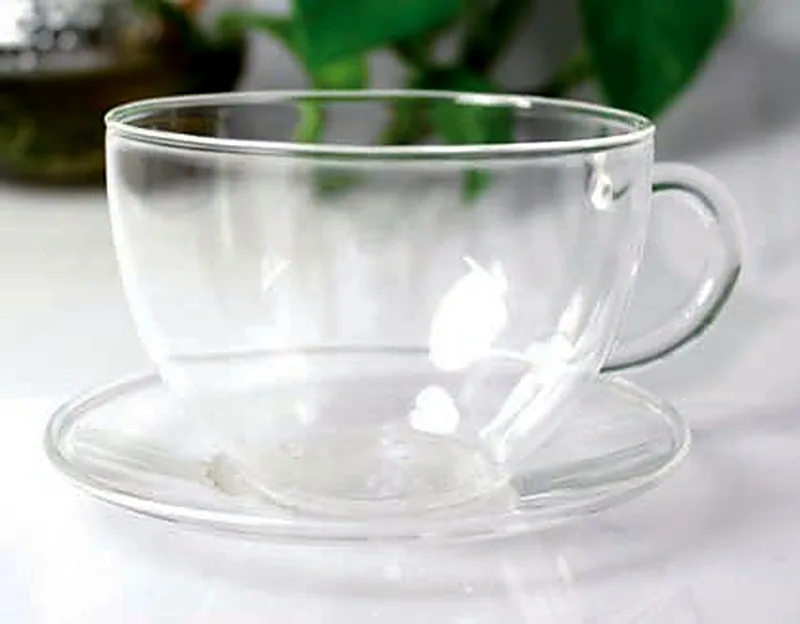
A glass tea cup with a matching saucer
The Glass Tea Cup & Saucer (TVD-1979) is described in our product listing as clear heat-resistant glass, a cup with a matching saucer, in plain or printed designs. That makes it a table-service item rather than a grab-and-go mug: the saucer catches drips, carries a spoon or biscuit and lifts the cup off a cloth. Capacity, glass thickness, the temperature rating and the set count are confirmed on your written quote.
Who buys a glass tea cup and saucer
- Tea rooms and cafés. Clear glass lets guests watch leaves, fruit pieces and colour develop. A saucer gives the cup a proper place on a small table.
- Hotels. Afternoon tea, lounge service and in-room kettle trays all use a cup and saucer. Ask for a consistent set colour or finish if you plan a refill order next season.
- Caterers and event planners. Matching cups and saucers dress a seated tea service. Count both pieces when you size the order, because breakage rates differ between cup and saucer.
- Gift shops. The printed version suits a gift display; the plain one suits a customer who wants to add their own tea selection.
- Online sellers. A boxed cup and saucer is a natural gift product. Confirm how the pair is packed so it arrives intact.
- Households. Everyday or occasional tea service.
What the listed features mean in practice
Clear heat-resistant glass. "Heat-resistant" describes the glass but gives no number. Ask the factory what range it was tested to, whether the rating covers boiling water poured straight in, and whether it applies to the saucer as well as the cup. Do not state a microwave or oven rating on your own materials without written confirmation.
Cup with matching saucer. Ask whether the cup and saucer are sold only as a pair or whether you can order replacement pieces separately. For a restaurant or hotel, replaceability matters more than anything else on this list.
Plain or printed designs. This is the decision that changes your compliance work. A plain cup has no applied decoration. A printed design means a decoration is applied to glass that touches a drink, and printed or metallic decoration near the lip is a known risk for lead and cadmium. If you choose a printed version, ask where the print sits, how far it is from the rim and whether a lead and cadmium test report exists for that exact design. Our companion certification and compliance guide for TVD-1979 lists the documents to ask for.
How to specify it: checklist
- Capacity of the cup, diameter of the saucer and the number of sets per carton.
- The glass type and the heat rating in writing, for cup and saucer.
- Plain or printed, and for printed designs, the artwork, placement and a lead and cadmium report.
- Whether the factory rates it for dishwasher use, and whether print survives repeated washing.
- Food-contact test reports for your market.
- Retail packaging, label language, barcode and carton quantity.
- Minimum order per design, sample availability and lead time.
Comparing it with three other pieces in the line
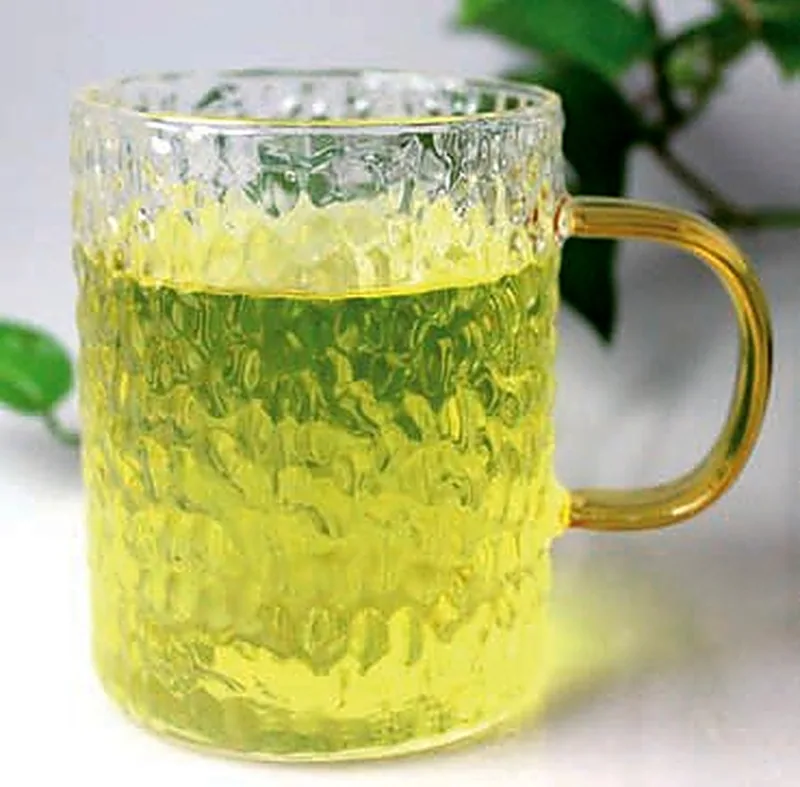
- Textured Glass Mug (TVD-1976): a handled single-wall mug with a hammered surface. Better for takeaway and breakfast service; see the TVD-1976 guide.
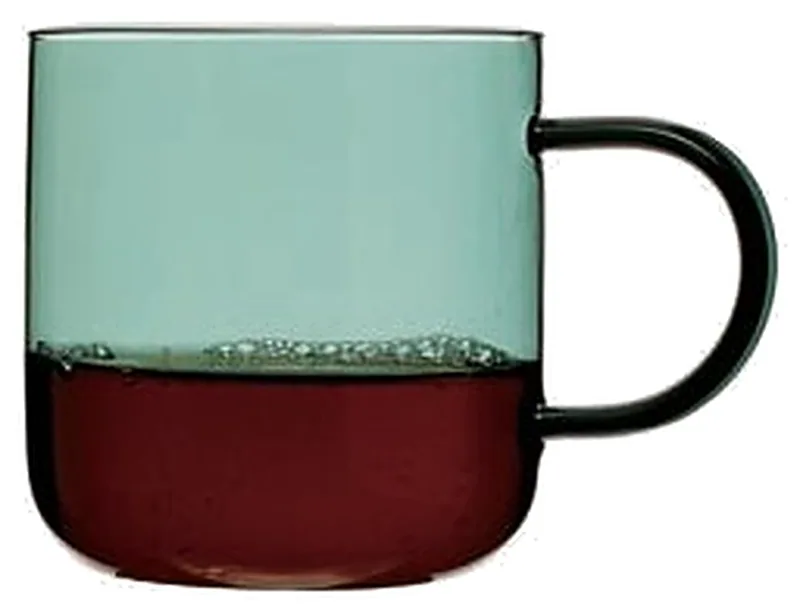
- Round Glass Mug – Coloured Handle (TVD-1978): a round mug in green, aqua, orange and amber tints. Pick it when colour matters more than a saucer; it is covered in the stackable and round mug guide.
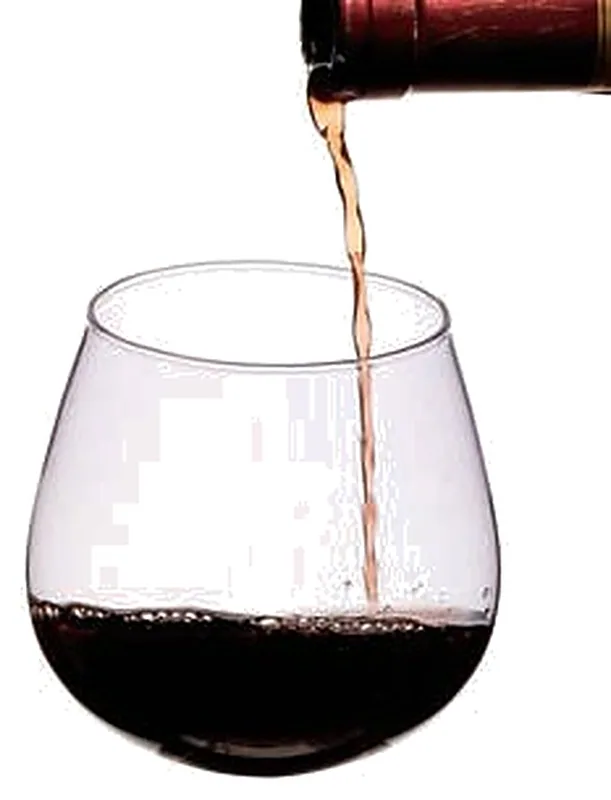
- Stemless Glass – Tinted & Clear (TVD-1980): a wine-style glass for cold drinks, covered in the TVD-1980 guide.
Canadian use notes
Tea service in a cold-climate country often means a hot cup carried from a warm kitchen into a cool lobby, so ask about thermal shock guidance. Saucers break easily in transit, so ask how they are separated in the carton. In Canada, glassware that contacts food falls under the Glazed Ceramics and Glassware Regulations, which limit lead and cadmium that can leach; decorated rims and printed designs near the lip are the known risk, and buyers ask for a test report. The Food and Drugs Act prohibits selling food in or with materials that may make it harmful, and Health Canada does not pre-approve kitchenware. A prepackaged boxed set needs bilingual product identity and net quantity under the Consumer Packaging and Labelling Act, and Quebec retailers expect French on labels and instructions. For the line as a whole, see the single-wall glass compliance guide. Rules change, so confirm the current requirements with the relevant authority, your inspector or your customs broker; this is general information, not legal advice.
Certification status
No certification is on file for this cup and saucer. We confirm certification status and supply the documents with the quote before you order.
How ordering works
Every order is quoted in writing for your quantity and delivery address, with specifications, documents, packing, lead time and delivered cost. Samples are available on most items, and the sample cost is usually credited to the first order. Payment is 30% deposit and 70% before release. Read how ordering works, send a quote request and use the landed cost calculator for freight. The home kitchen and tableware range for Canada shows what else can ship with it.