Product guide ·
Stemless Glass in Clear, Green and Orange (TVD-1980): Wholesale Guide for Bars and Restaurants
A single-wall, stemless wine-style glass in clear and two tints. See what to check on the tint, how it compares with other glasses and how to order.
A stemless wine-style glass for bars and restaurants
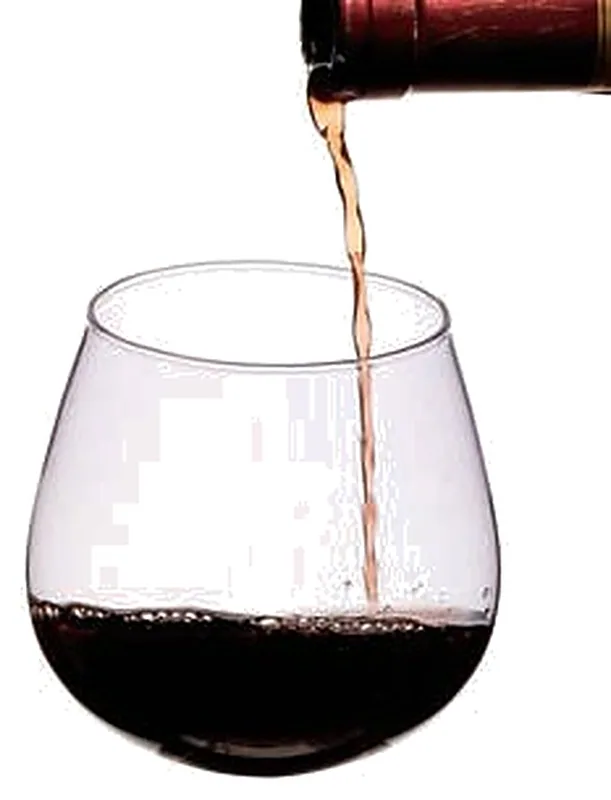
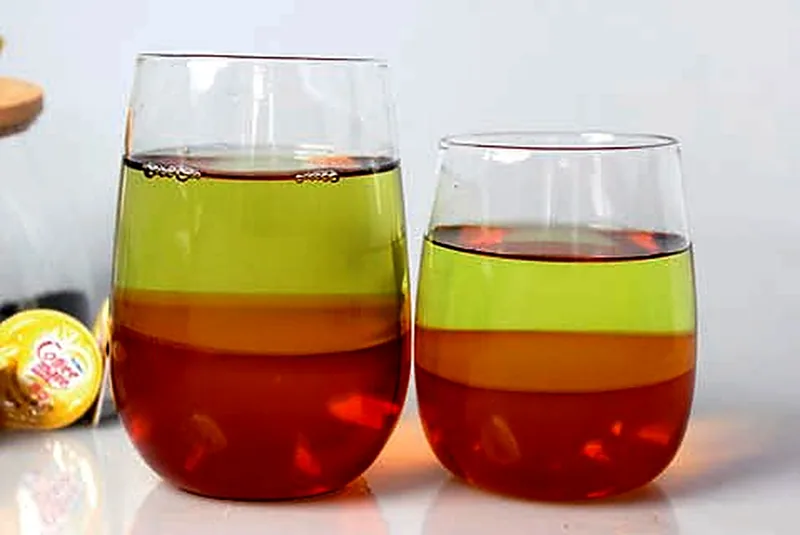
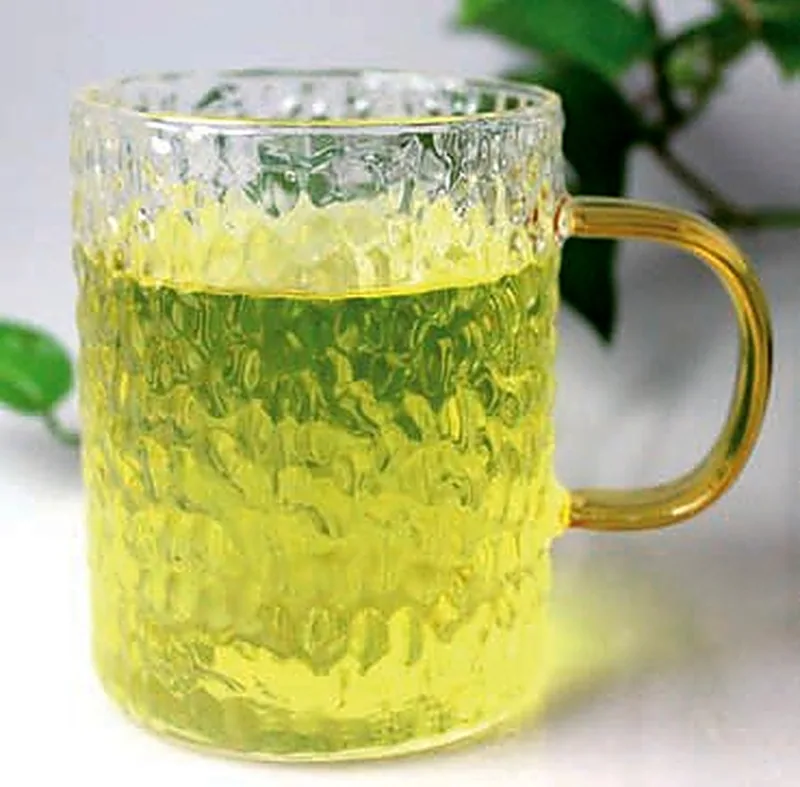
The Stemless Glass – Tinted & Clear (TVD-1980) is described in our product listing as a stemless wine-style glass in clear, green and orange tints, in single-wall glass. Stemless glasses sit lower, tip less easily and take up less rack space than stemmed ones, and the tints let a venue give wine, spritz or water its own look. Capacity, glass thickness and piece counts are not in the listing and are confirmed on your written quote.
Who buys it
- Restaurants and wine bars. A stemless glass is harder to knock over and fits dishwasher racks more densely than a stemmed glass. Ask how the glass behaves in your rack type before you order a full stock.
- Bars and patios. Tinted glass suits spritzes, sangria and soft drinks, and a stemless form travels from bar to patio without the stem snapping.
- Caterers and event planners. Clear plus two tints gives a palette for a themed event. Rented glass is easier to crate if there are no stems.
- Retailers and online sellers. A set of clear and tinted glasses merchandises well as a gift or a mixed set. Photograph green and orange tints against a white backdrop to show colour accurately.
- Households. Everyday wine, water and juice in a casual glass.
What the listed features mean in practice
Stemless wine-style. The shape follows a wine bowl but drops the stem. A hand warms the bowl, so serve chilled white and rosé in smaller pours or choose clear glass for red. The line does not state a capacity, so ask for it, and ask whether a pour line or measure mark exists if licensing rules in your province need standard pours.
Clear, green and orange tints. Here is the key question from the line's buying advice: is the colour in the glass or sprayed on? Colour in the glass is part of the material and wears with the glass. Sprayed colour sits on the surface and wears faster in dishwashers. If the colour is applied, or if it reaches near the rim, ask for a lead and cadmium test report for each tint, since the Glazed Ceramics and Glassware Regulations limit lead and cadmium that can leach from glassware that contacts food.
Single-wall glass. One layer, no insulation. Drinks warm up faster in the hand and condensation forms on cold drinks. For hot drinks, a different product with a stated heat-resistant rating is the right choice; see the Textured Glass Mug (TVD-1976).
How to specify it: checklist
- Capacity and height, and the number of glasses per carton.
- Tint colours available, and whether tint is in the glass or applied.
- Lead and cadmium test reports for each tint, and food-contact reports for your market.
- Factory dishwasher rating, since commercial wash cycles are tough on applied colour.
- Whether tints can be mixed within one carton or are packed by colour.
- Retail packaging, label language, barcode and carton size.
- Minimum order per colour, sample availability and lead time.
Comparing it with three other glasses in the line
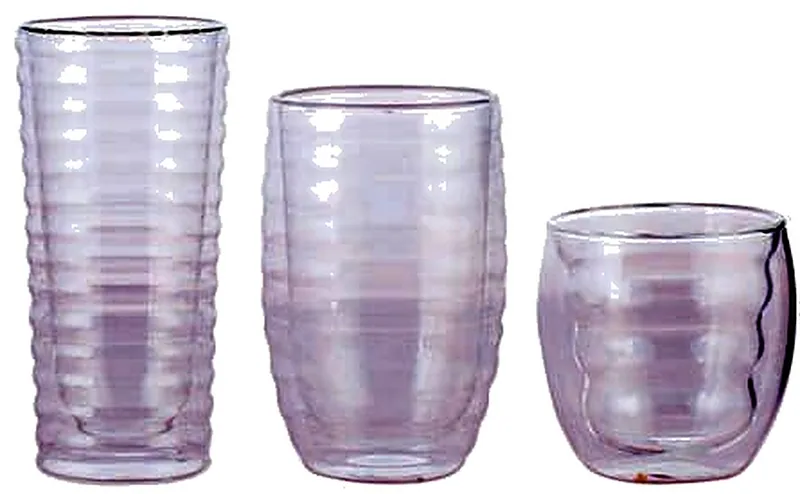
- Ribbed Glass Tumbler Set (TVD-1966): straight ribbed tumblers in several sizes for water and juice. A better fit for a hotel breakfast room than a wine list; see the TVD-1966 guide.
- Glass Tumblers – Coloured Base (TVD-1981): tumblers with a two-tone colour base. Colour sits low rather than through the whole bowl; see the TVD-1981 guide.
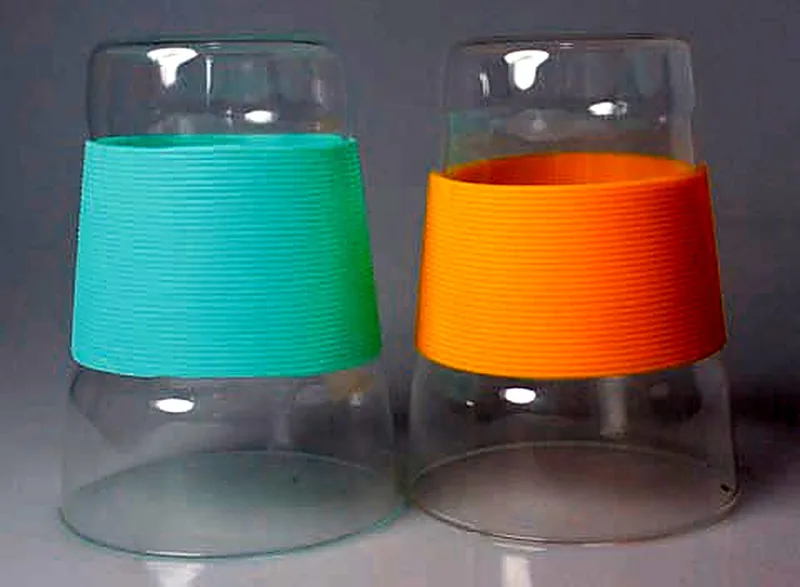
- Glass Tumbler – Silicone Sleeve (TVD-1983): a tumbler with a coloured silicone grip sleeve in teal, yellow, brown and grey.
Canadian use notes
Patio season is short in most of Canada, so many bars order glass for a spring start and need it landed before the thaw; plan freight and the 30% and 70% payment stages well ahead. Glass can be knocked in winter freight, so ask for strong cartons and dividers. Provincial liquor rules and local health inspectors set their own expectations for glassware in licensed premises, so check what yours expect. The Food and Drugs Act prohibits selling food in or with materials that may make it harmful, and Health Canada does not pre-approve kitchenware. Prepackaged retail sets need bilingual product identity and net quantity under the Consumer Packaging and Labelling Act, and Quebec retailers expect French on labels and instructions. The compliance guide for the glass line lists the documents we help you gather. Rules change, so confirm the current requirements with the relevant authority, your inspector or your customs broker; this is general information, not legal advice.
Certification status
No certification is on file for this glass. We confirm certification status and supply the documents with the quote before you order.
How ordering works
Every order is quoted in writing: price for the quantity, specifications, documents, packing, lead time and delivered cost to your address. Samples are available on most items, with the sample cost usually credited to the first order. Payment is 30% deposit and 70% before release. Read how ordering works, send a quote request and see the Canada delivery hub for routes across the country. The home kitchen and tableware wholesale guide covers the wider range.